Healthcare Clinic Reduced Patient Check-in Time By 25% With Kure
Project Summary
The problem: Patients were experiencing long delays during the check-in process, creating frustration for patients, stress for staff, and inefficiencies across the clinic.
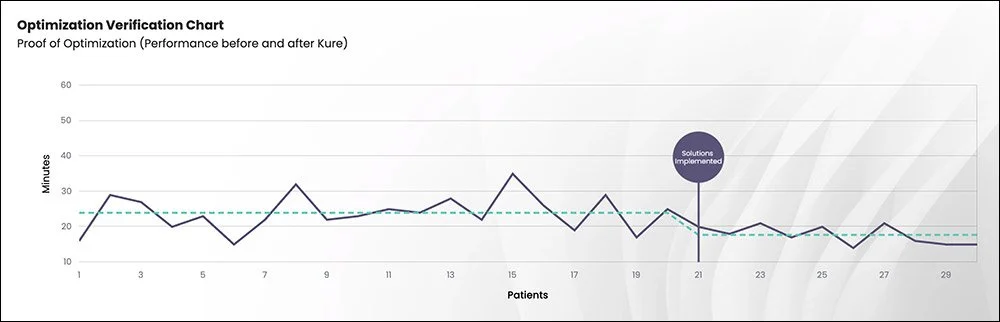
After using Kure, the organization reduced patient check-in time from 24 minutes to approximately 18 minutes, improving check-in efficiency by 25%.
Introduction
Healthcare organizations are under constant pressure to improve patient experiences while maintaining efficient operations and high-quality care. Even minor delays during patient intake can create scheduling issues, increase staff workload, and negatively impact patient satisfaction throughout the day. In fast-paced healthcare environments, organizations need practical tools that help teams quickly identify issues, organize improvement efforts, and implement sustainable solutions.
To address these challenges, the organization implemented Kure. Using Kure’s structured workflows, centralized process improvement tools, and AI-assisted guidance, the team was able to better understand the causes of delays and take focused action to improve the patient check-in experience.
The project also reflected the principles of Ethical Efficiency™, balancing operational improvements with a strong focus on patient care, communication, and employee support. Rather than simply moving patients through the process faster, the organization worked to create a smoother and less stressful experience for both patients and staff.
The Problem
The organization identified a major operational challenge affecting clinic flow and patient satisfaction: patients were spending an average of 24 minutes completing the check-in process before they could be roomed.
These delays created bottlenecks at the front desk, disrupted appointment schedules, and increased pressure on staff throughout the clinic. Patients often became frustrated waiting to begin their appointments, while front desk employees and medical assistants struggled to manage interruptions and maintain steady workflow during busy periods.
A significant contributor to the delays was missing insurance information. Many patients arrived for appointments without insurance details already on file, requiring staff to stop the check-in process and contact the billing department for verification before patients could proceed.
In healthcare operations, these types of delays can quickly impact the entire patient experience. Improving process flow was essential to helping the organization deliver more efficient, reliable, and patient-centered care.
The Root Causes
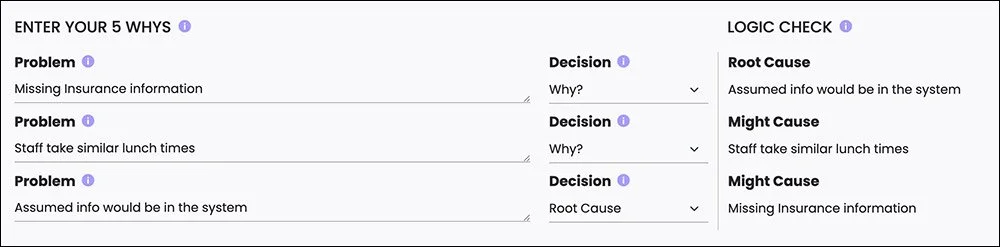
Using Kure’s process improvement tools and workflow management features, the team identified a key root cause behind the delays: patients could not complete check-in until insurance information had been verified.
Because insurance details were often not collected during appointment scheduling, verification responsibilities were pushed to the front desk at the time of patient arrival. This created repeated interruptions and slowed processing times during peak hours.
The problem became even more noticeable when billing staff were temporarily unavailable, such as during lunch breaks, causing additional wait times and workflow disruptions.
The Solutions
Using Kure to organize and manage the improvement effort, the team implemented targeted solutions designed to eliminate the primary causes of delay.
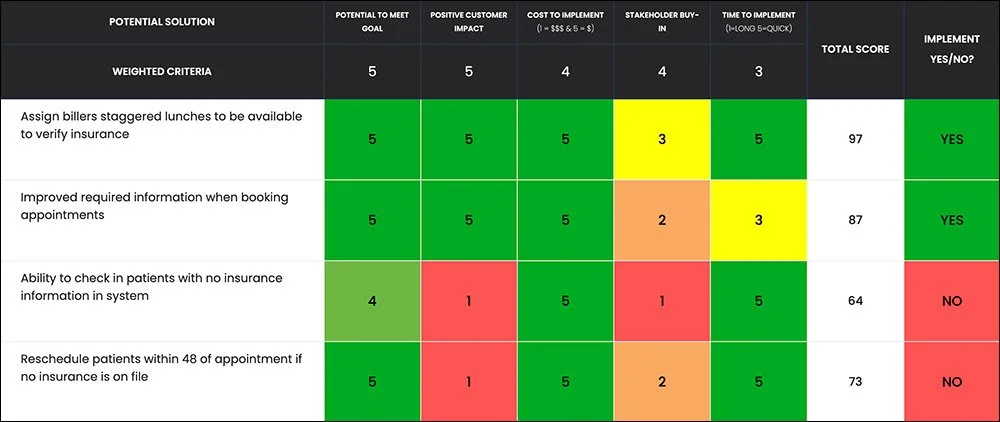
First, billing staff staggered lunch schedules so at least one billing representative remained available during busy patient check-in periods. This improved response time for insurance verification requests and reduced bottlenecks at the front desk.
Second, the scheduling process was updated to require insurance information before appointments could be confirmed. By collecting information earlier in the process, the clinic significantly reduced the amount of verification work needed during patient arrival.
Kure helped the team centralize workflows, track improvement actions, and maintain visibility into project progress, making it easier to implement and sustain the changes.
The Results
The improvements generated measurable operational and patient experience benefits.
Patient check-in time decreased from 24 minutes to approximately 18 minutes, representing a 25% reduction in patient processing time.
The streamlined workflow allowed medical assistants to room patients more efficiently while reducing interruptions for front desk staff. Employees experienced less stress during busy periods because they no longer needed to repeatedly pause check-ins to coordinate insurance verification.
Patients also benefited from a faster, more organized experience, helping improve satisfaction and confidence in the clinic’s operations.
Conclusion
This project demonstrates how structured process improvement efforts, supported by modern technology, can deliver meaningful healthcare improvements. By using Kure to identify workflow issues, organize solutions, and manage implementation, the organization successfully improved patient check-in efficiency while creating a better experience for both patients and staff.
Kure’s AI-powered platform and practical process improvement tools helped the team move faster, stay organized, and achieve measurable results with greater confidence. Grounded in Ethical Efficiency™, the project balanced operational performance with patient care, staff support, and long-term sustainability.
With this successful project as a foundation, the organization is well-positioned to continue improving workflows, strengthening operational performance, and delivering exceptional patient experiences in the future.
*We value our clients’ confidentiality. While we’ve changed their names, the results are real.