Hospital Reduced New Employee Onboarding Time By 44% With Kure
PROJECT SUMMARY
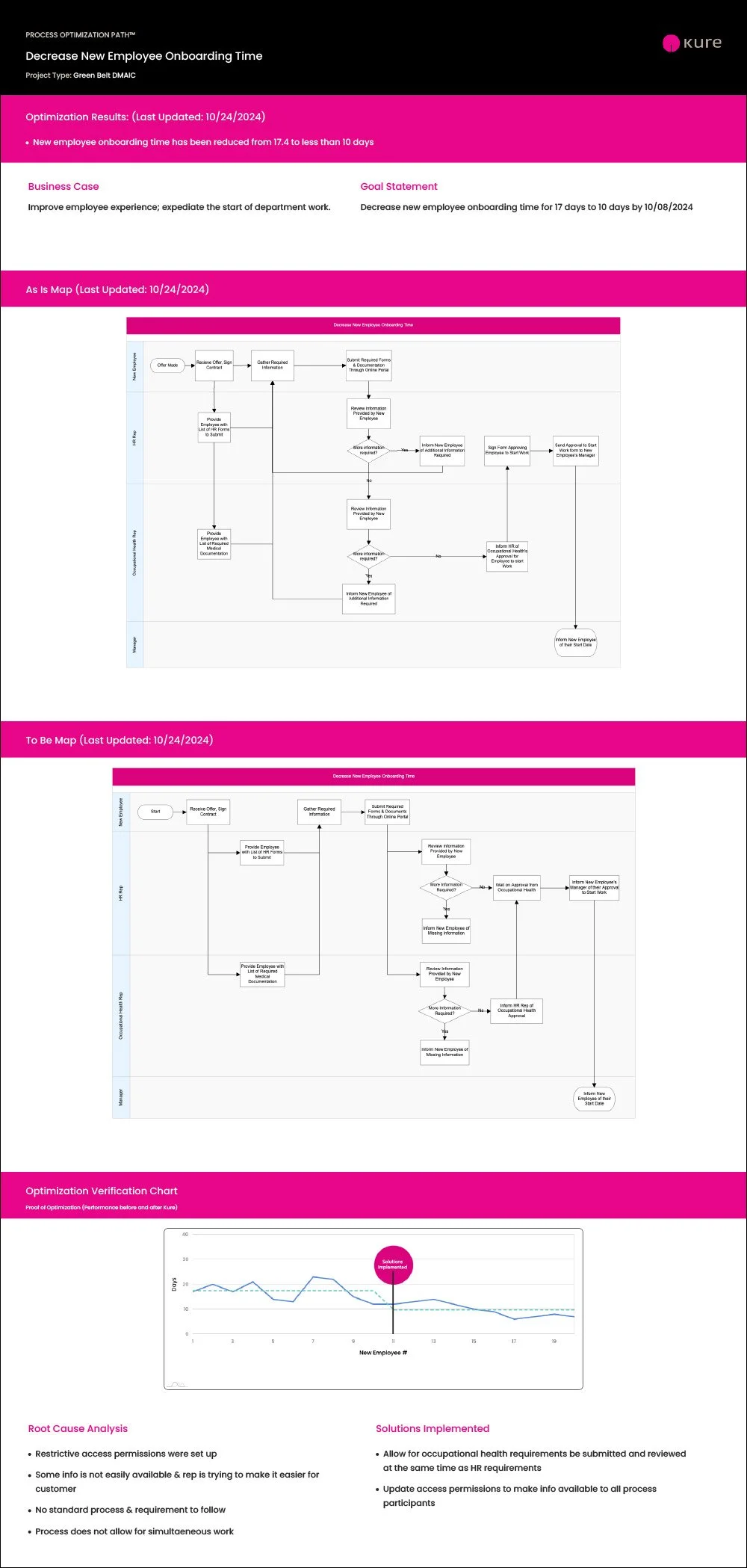
Problem: Onboarding new employees took to long—over 17 days. This excessive time frustrated new employees and impacted productivity, ultimately, impacting patient services.
With Kure’s AI-powered process improvement app, this hospital reduced the time to under 10 days—a 44% improvement.
The Problem
Onboarding new employees is a critical step in ensuring that healthcare facilities operate smoothly. However, at this Ontario hospital, the process was inefficient, leaving new hires waiting over 17 days before they could fully integrate into their roles. The delays led to frustration for employees and slowed overall productivity, ultimately affecting the hospital’s ability to provide timely patient care.
Recognizing the need for change, the hospital assembled a skilled team, led by a project leader with expertise in Lean Six Sigma principles. The team used Kure’s AI-powered process improvement workflow to guide their project, providing tailored examples, data-driven analysis, and actionable suggestions at every step.
The Root Causes
With Kure’s help, the team uncovered three primary issues that were slowing down the onboarding process:
Restrictive System Access Permissions: Those responsible for onboarding didn’t have timely access to the information they needed, creating unnecessary delays.
Lack of Standardization: Departments were handling onboarding differently, leading to inconsistencies and confusion.
Sequential Workflow: Tasks were completed one at a time, meaning that occupational health checks had to be finalized before HR paperwork could even begin, adding unnecessary days to the process.
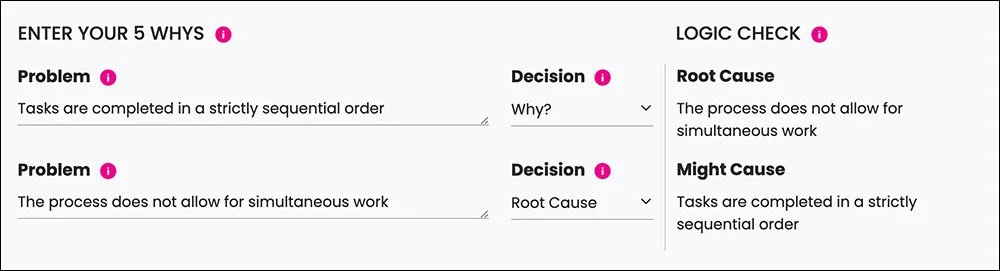
These inefficiencies combined to create a cumbersome onboarding experience that left everyone involved feeling frustrated.
The Solutions
Guided by Kure, the hospital implemented a series of targeted improvements:
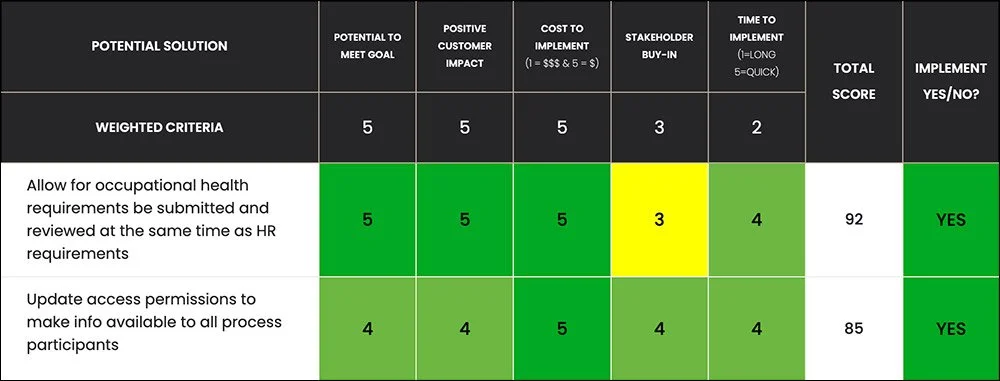
Improving System Access Permissions: The team adjusted permissions so that everyone involved in onboarding had the information they needed at their fingertips. This eliminated delays caused by waiting for access or approvals.
Standardizing the Onboarding Process: Using Kure’s templates and suggestions, the hospital developed a clear, consistent process that all departments could follow. This ensured that everyone was aligned and working efficiently.
Parallelizing Tasks: Kure’s data analysis helped the team identify opportunities to restructure the workflow. By allowing certain tasks, like occupational health checks and HR paperwork, to happen simultaneously rather than sequentially, they shaved several days off the overall process.
The Results
The results were transformative. The hospital reduced its average onboarding time from 17.4 days to less than 9.8 days—a 44% improvement. New employees were able to start their roles faster, boosting morale and productivity. Managers reported smoother operations, and new hires expressed satisfaction with the more efficient process.
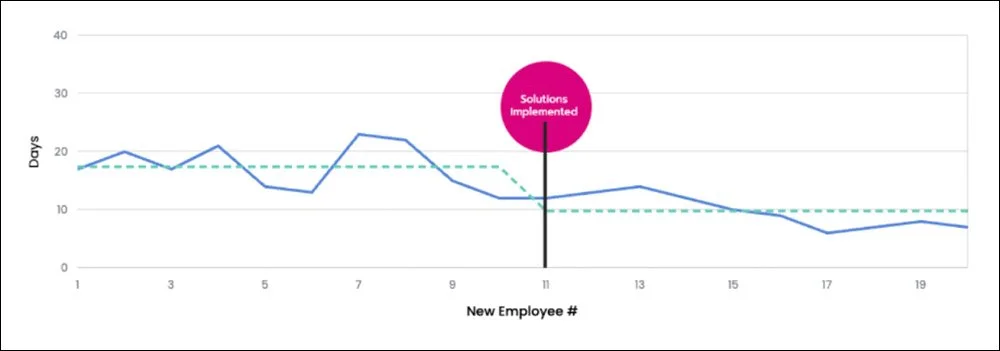
The hospital also noticed improvements beyond the numbers. With onboarding bottlenecks resolved, teams could focus on their primary mission—delivering exceptional patient care. The success of this project demonstrated how streamlining internal processes can have a meaningful impact on the broader organization.
Conclusion
This project highlights how Kure’s AI-driven process improvement workflow can empower organizations to achieve outstanding results in record time. By identifying and addressing inefficiencies, providing tailored guidance, and enabling faster implementation, Kure helped the hospital revolutionize its onboarding process.
With a faster, more efficient system in place, the hospital is better equipped to bring new employees on board quickly and effectively. This improvement not only enhanced staff productivity but also positioned the organization for continued success, ensuring they can focus on what matters most—providing excellent patient care.
*We value our clients’ confidentiality. While we’ve changed their names, the results are real.