Food Manufacturer Reduced Raw Material Release Time By 39% With Kure
Project Summary
The problem: A food manufacturer was experiencing delays in raw material release evaluations that created production bottlenecks, slowed scheduling, and reduced operational efficiency across the facility.
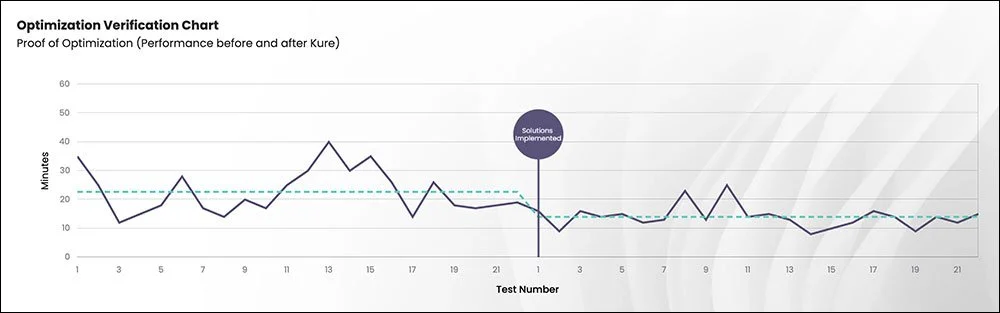
By applying Kure's structured improvement methodology, the organization reduced average raw material release time from 23 minutes to 14 minutes, improving performance by approximately 39% while creating a more organized and consistent workflow.
Introduction
In food manufacturing, maintaining product quality is only part of the equation. Organizations must also ensure that materials move efficiently through the production process to keep operations running smoothly. Even minor delays in releasing raw materials can create downstream challenges that affect scheduling, productivity, and overall performance.
Seeking a practical solution, this food manufacturer used Kure to analyze and improve its raw material evaluation process. Kure provided a structured framework that helped the team identify inefficiencies, uncover root causes, and implement sustainable improvements. Guided by the principles of Ethical Efficiency™, the project focused on improving operational performance while creating a more organized, consistent, and supportive environment for employees.
The Problem
The organization's raw material evaluation process was taking longer than desired, with average release times reaching approximately 23 minutes per evaluation.
These delays created bottlenecks that affected both laboratory and production operations. Production schedules became more difficult to manage, materials were not always available when needed, and workflow coordination across departments suffered. Team members also experienced frustration when delays prevented work from moving forward efficiently.
For food manufacturers, process improvement is essential because operational delays can increase costs, reduce productivity, and impact the organization's ability to meet customer expectations. Improving raw material release performance was critical to maintaining efficient operations while continuing to support quality and food safety standards.
The Root Causes
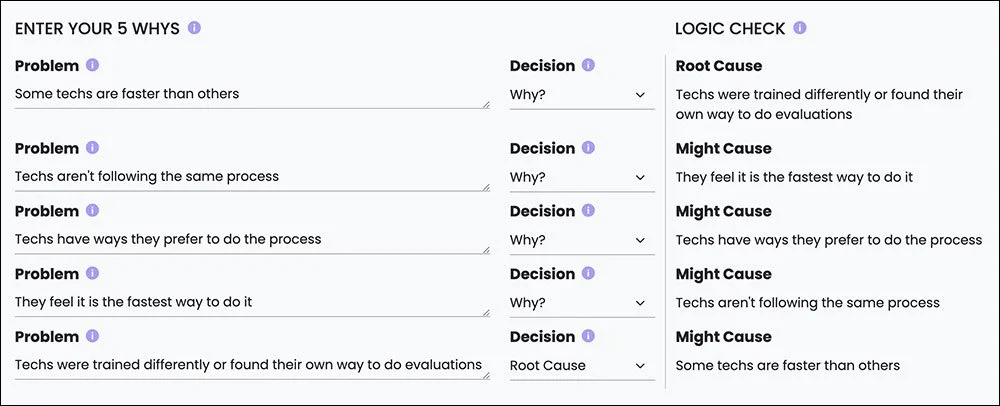
Using Kure's improvement framework, the team analyzed the process and identified several contributors to the delays.
One significant factor was variation in how evaluations were performed. Differences in technician training and individual work habits created inconsistent workflows and longer evaluation times.
The team also discovered that materials, controls, and utensils were not consistently returned to designated locations after use. This created unnecessary clutter and required technicians to spend valuable time searching for needed items.
Additional analysis revealed inconsistent training practices across team members and limited attention to Quarantine List due dates, both of which contributed to avoidable delays in material processing and release.
The Solutions
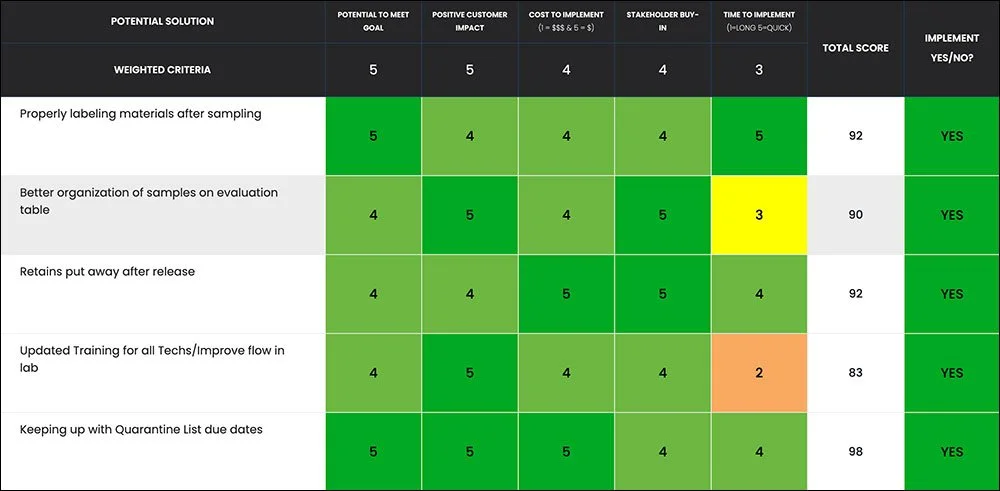
The team implemented several targeted improvements to create a more efficient and standardized process.
Standardized Labeling: Materials were consistently labeled after sampling, improving visibility and reducing confusion during evaluations.
Improved Workspace Organization: Samples and evaluation materials were organized more effectively on evaluation tables to support smoother workflows.
Put-Away Discipline: Retains, materials, and utensils were consistently returned to designated locations after use, reducing clutter and search time.
Updated Training: Technicians received standardized training to ensure evaluations were performed consistently and efficiently.
Better Tracking: Increased monitoring of Quarantine List due dates helped prevent unnecessary delays and improved responsiveness.
Together, these changes created a more predictable, organized, and efficient evaluation process.
The Results
The project produced meaningful operational improvements.
Average raw material release time decreased from 23 minutes to 14 minutes, representing an improvement of approximately 39%.
With better organization, standardized workflows, and more consistent training, technicians completed evaluations faster and with less variation. Materials moved into production more quickly, reducing bottlenecks and improving coordination between departments.
Laboratory and production teams benefited from smoother daily operations, improved scheduling, and greater confidence in the reliability of the process.
Conclusion
This project demonstrates how relatively simple improvements in organization, standardization, and process discipline can generate significant operational benefits. By addressing workflow inconsistencies and improving workplace organization, the organization successfully reduced delays and strengthened overall efficiency.
Kure helped accelerate results by providing a structured, practical approach to problem solving that enabled the team to quickly identify root causes, implement improvements, and measure outcomes. The project also reflected the principles of Ethical Efficiency™ by improving performance while creating a more organized and supportive work environment for employees.
With these improvements in place, the organization is well positioned to continue enhancing operational performance, maintaining product quality, and supporting future growth through a culture of continuous improvement.
*We value our clients’ confidentiality. While we’ve changed their names, the results are real.