Manufacturer Improved Tool Room Efficiency By 24% With Kure
Project Summary
The Problem: A manufacturing organization’s tool room required an average of 66.6 maintenance hours, creating an opportunity to reduce wasted time, improve organization, and help employees focus on productive maintenance activities.
The Results: Using Kure, the manufacturer reduced average maintenance hours from 66.6 to 50.8—a 24% improvement that helped create a more efficient tool room and better use of maintenance resources.
Introduction
In manufacturing, maintenance teams play an important role in keeping equipment available and production moving. When one manufacturer identified its tool room as an opportunity for improvement, the organization used Kure to guide the project from problem identification through measurable results.
Kure provided a structured, easy-to-follow approach for examining the existing process, identifying what was contributing to unnecessary maintenance hours, and developing practical solutions. Instead of relying on assumptions, the team could work through the project systematically and focus its efforts on changes that addressed the underlying issues.
The project also supported Ethical Efficiency by improving performance in a way that benefited the people doing the work. The objective was not simply to ask employees to work faster, but to remove inefficiencies that made their jobs more difficult.
The Problem
Before the project, activities associated with the tool room required an average of 66.6 maintenance hours. Inefficient organization and unnecessary activities consumed time that could otherwise be spent completing productive maintenance work.
For a manufacturer, these inefficiencies can extend beyond the tool room. Maintenance teams need reliable access to tools and resources to address equipment needs and help keep production running smoothly. Unnecessary time spent navigating inefficient processes can limit the team's ability to support broader manufacturing operations.
The organization saw an opportunity to create a more efficient process that would make better use of employee time while strengthening maintenance performance.
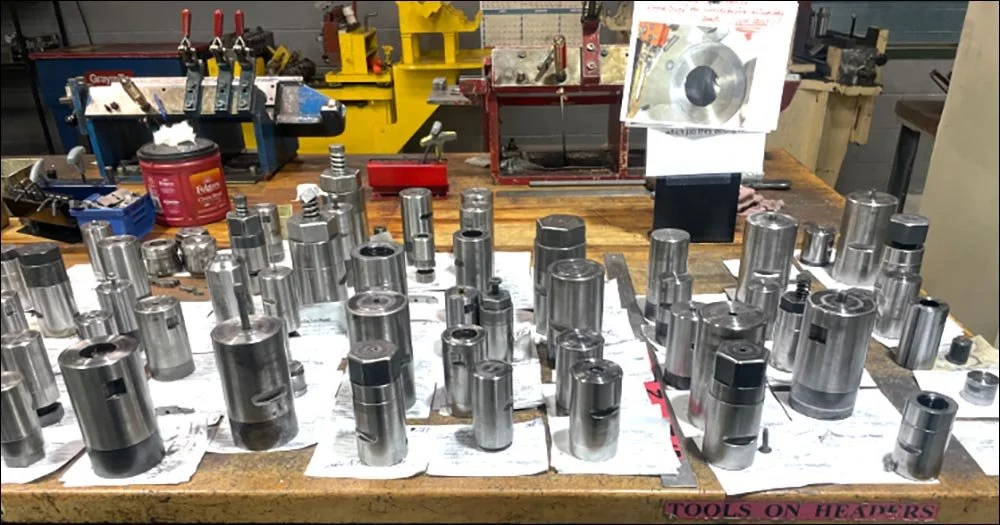
Before
The Root Causes
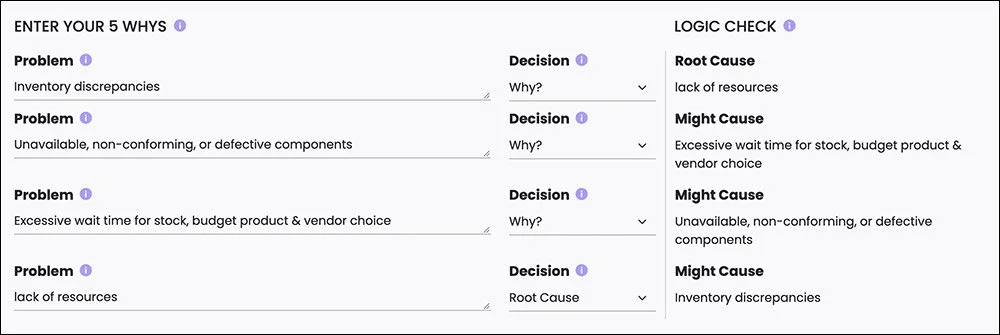
Using Kure’s structured improvement approach, the team examined the existing process to better understand what was driving maintenance hours.
Rather than treating the total number of hours as the problem itself, the project focused on identifying the underlying process issues contributing to unnecessary work. The analysis highlighted opportunities to improve tool room organization and eliminate activities that did not add value.
Understanding these root causes helped the manufacturer focus its efforts where they could make a meaningful difference instead of implementing changes based on assumptions.
The Solutions
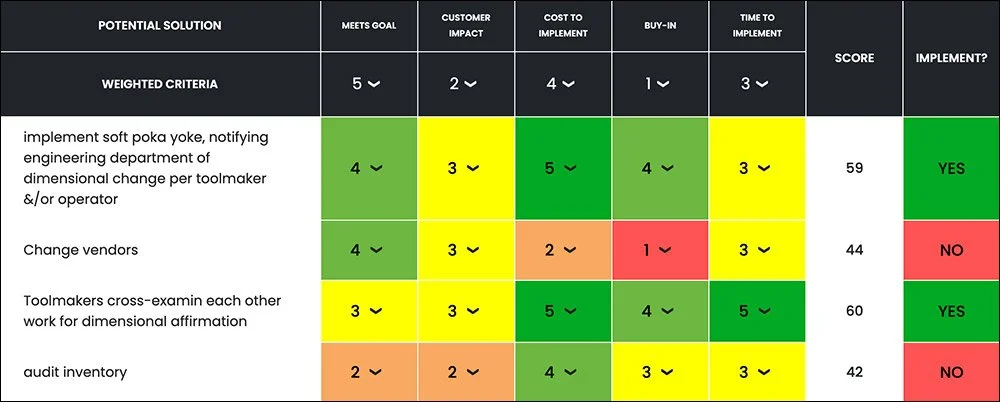
With the root causes identified, the team used Kure to move from analysis to action. Improvements focused on creating a simpler, more organized tool room process and reducing unnecessary activities that consumed maintenance time.
The changes were designed to make it easier for employees to complete their work while allowing maintenance resources to be used more effectively. This reflected Ethical Efficiency in practice: improving operational performance while creating a better process for the people responsible for supporting production.
Kure helped provide the structure needed to connect the problem, root causes, solutions, and results within one improvement project.
The Results
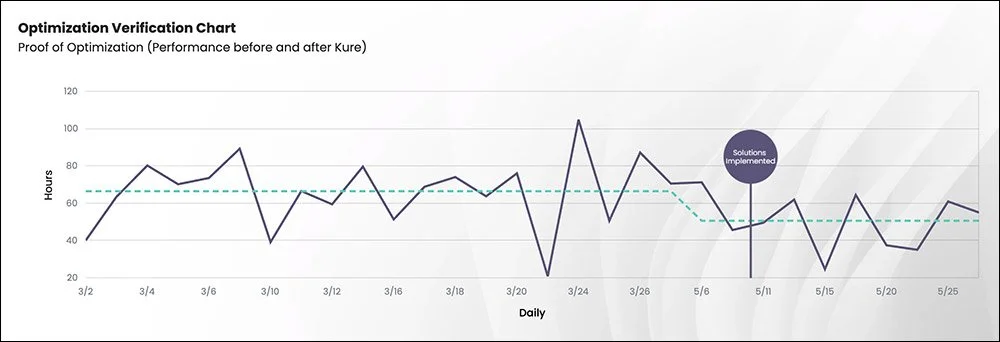
The project delivered a meaningful reduction in maintenance hours:
Before: 66.6 average maintenance hours
After: 50.8 average maintenance hours
Reduction: 15.8 hours
Improvement: 24%
By reducing average maintenance hours by nearly one-quarter, the manufacturer created a more efficient tool room process and freed maintenance capacity for other productive work.
The results demonstrated how a focused improvement project can generate measurable operational benefits while making everyday work more efficient for employees.
Conclusion
Using Kure, the manufacturing organization transformed a tool room efficiency challenge into a measurable 24% improvement, reducing average maintenance hours from 66.6 to 50.8 hours.
Kure makes process improvement easier to apply by guiding teams through a structured approach for defining problems, identifying root causes, developing solutions, and measuring results. This helps organizations move from improvement ideas to measurable outcomes faster while keeping projects organized and focused.
For this manufacturer, the project also demonstrated the value of Ethical Efficiency—creating better business results while improving how work gets done. With a more efficient tool room process in place, the organization is positioned to build on its success and continue identifying opportunities to improve maintenance and manufacturing performance.
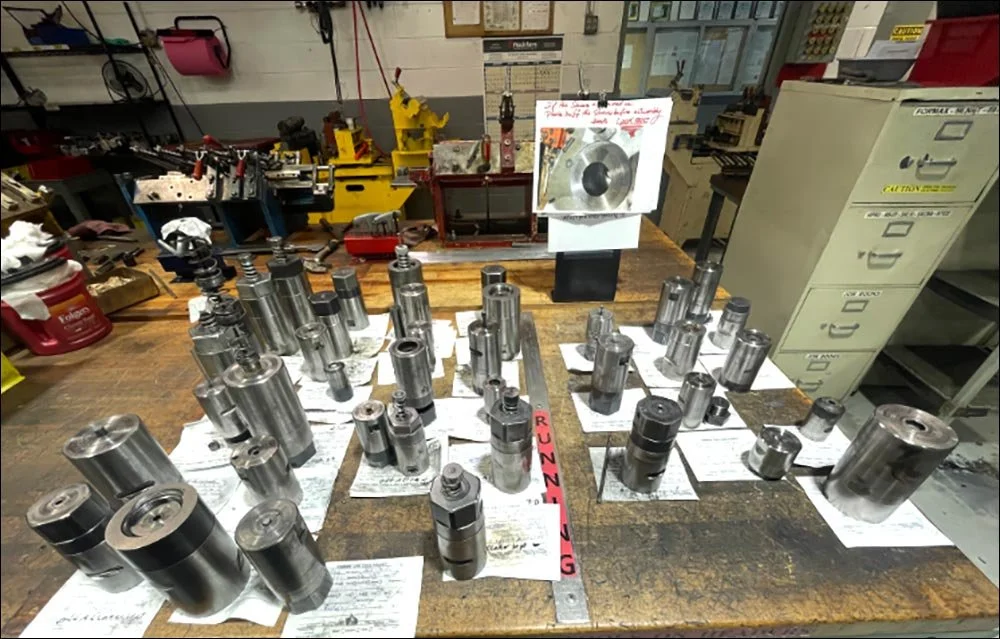
After
*We value our clients’ confidentiality. While we’ve changed their names, the results are real.