Regional Medical Center Improved Respiratory Therapy Documentation Compliance by 33% With Kure
Project Summary
The problem: Respiratory therapy documentation compliance at a Regional Medical Center had fallen to 67%, creating gaps in patient records, communication challenges among care teams, and increased compliance and revenue risk.
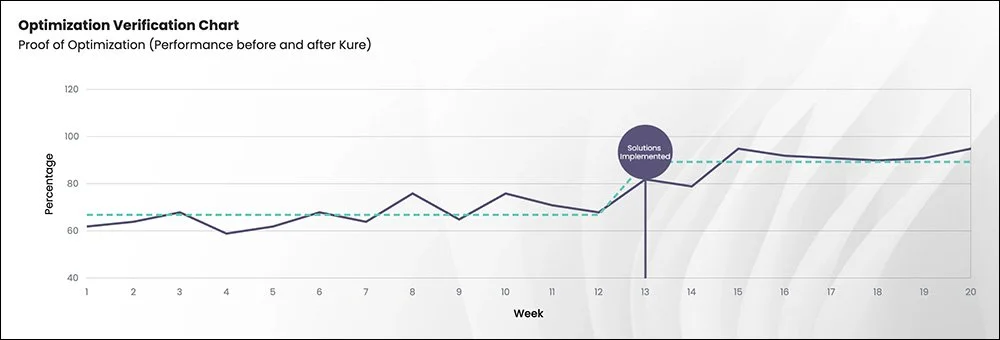
By implementing standardized documentation policies, structured onboarding feedback, and weekly audits, the team increased compliance from 67% to over 89%—a 33% improvement with sustained performance above target levels.
Introduction
At a Regional Medical Center in the Southeastern United States, accurate and timely documentation plays a critical role in delivering safe, coordinated patient care. When respiratory therapy charting is complete and consistent, care teams communicate effectively, treatment decisions are better informed, and organizations maintain both regulatory compliance and proper reimbursement.
However, respiratory therapy documentation compliance had begun trending below expectations, creating operational and clinical risks. Leadership recognized the need for a structured approach to identify the underlying causes and implement sustainable improvements.
To guide the effort, the team used Kure, an AI-powered improvement platform designed to help teams complete Lean Six Sigma projects faster and more effectively. Kure provided a clear framework for analyzing the problem, organizing findings, and implementing targeted improvements, allowing the team to focus on solving the issue rather than managing scattered tools and documentation.
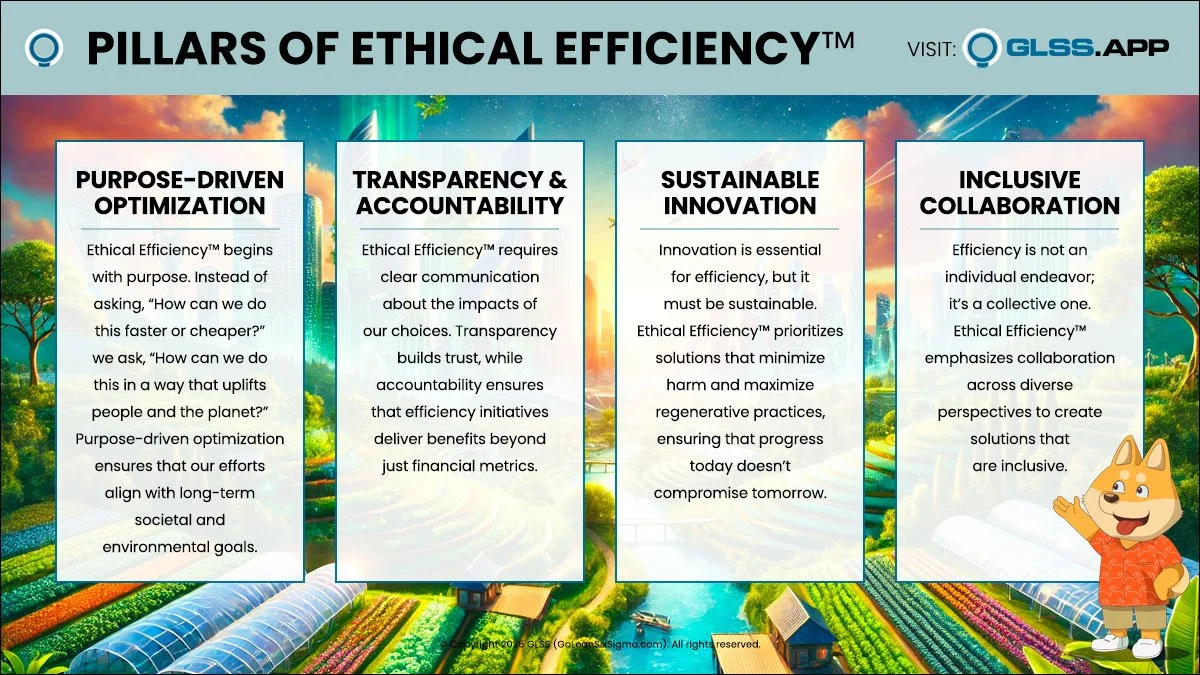
By combining structured improvement methods with Kure’s guided project workflow, the team focused on improving the system itself—aligning with the principle of Ethical Efficiency™, where better processes support both caregivers and patients.
The Problem
Respiratory therapy documentation within the electronic medical record (EMR)—including breath sounds, ventilator checks, aerosol therapy notes, and patient assessments—had an average compliance rate of only 67%, well below departmental expectations.
Incomplete charting created multiple challenges. Patient records sometimes lacked key clinical details, which made it harder for care teams to coordinate treatment. Staff spent additional time searching for missing documentation, and incomplete records increased the risk of lost charges and compliance concerns.
In healthcare environments, documentation is directly tied to patient safety, regulatory standards, and financial stability. Improving charting compliance was essential not only for operational performance but also for sustaining high-quality care.
The Root Causes
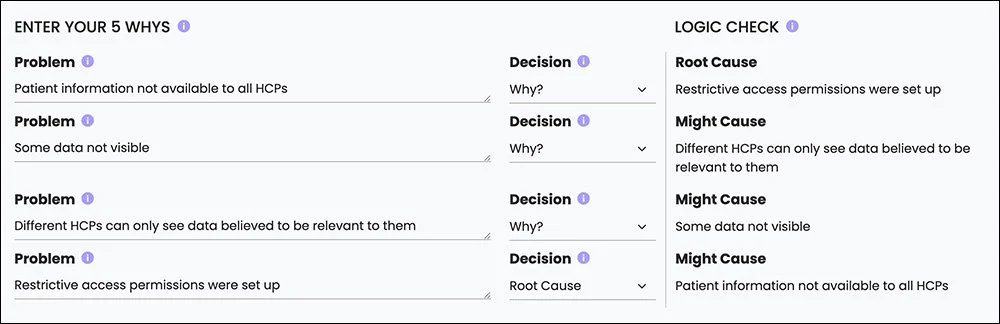
Using Kure’s guided improvement tools, the team analyzed the problem and identified three primary drivers of the documentation gaps.
First, restrictive EMR access permissions made it difficult for respiratory therapists to consistently complete documentation tasks.
Second, new hires were not receiving structured or consistent feedback during their orientation period. Without reinforcement of documentation expectations early on, gaps developed quickly.
Third, the department lacked a standardized documentation workflow. Charting practices varied between individuals and across shifts, which contributed to inconsistent compliance.
Through the analysis process, the team realized that the issue was not a lack of effort or commitment. Instead, it stemmed from unclear processes and inconsistent reinforcement of expectations.
The Solutions
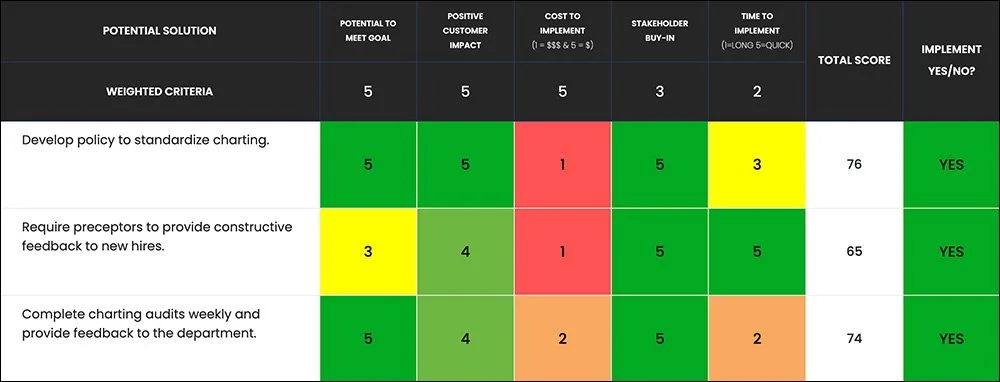
With the root causes clearly identified, the team implemented three targeted improvements.
First, they introduced a standardized documentation policy outlining exactly what information must be charted, when documentation should be completed, and how it should be recorded in the EMR.
Second, they strengthened onboarding by requiring structured feedback from preceptors during new employee orientation, ensuring documentation expectations were clearly communicated and reinforced from the beginning.
Third, the department implemented weekly chart audits. Audit results were shared with the team to provide visibility and coaching opportunities. Importantly, the audits were framed as a learning tool rather than a punitive measure, reinforcing a culture focused on improvement rather than blame.
Each improvement was intentionally designed to be simple, repeatable, and easy for staff to follow.
The Results
The changes produced rapid and measurable improvements. Respiratory therapy documentation compliance increased from 67% to over 89%, representing a 33% improvement. Even more importantly, the department has sustained compliance above that level.
Patient records are now more complete and reliable. Communication between care teams has improved, and staff spend less time searching for missing information. The organization also reduced the risk of lost charges by ensuring required documentation is consistently completed.
What initially appeared to be a compliance challenge ultimately became an opportunity to strengthen the entire respiratory therapy documentation process.
Conclusion
By using Kure to guide their improvement effort, the Regional Medical Center was able to quickly identify root causes, organize solutions, and implement sustainable process changes.
Kure’s structured project workflow and integrated improvement tools helped the team move from analysis to action efficiently—reducing complexity and accelerating results compared to traditional, fragmented approaches.
The project also reinforced the importance of Ethical Efficiency™. Rather than blaming individuals, the team improved the system itself, creating a more supportive environment for therapists while strengthening patient care and operational performance.
Today, the organization not only has higher documentation compliance—it also has a repeatable improvement framework and the confidence to tackle future challenges faster and more effectively.
*We value our clients’ confidentiality. While we’ve changed their names, the results are real.