University of Karachi Chemical Reaction Engineering (CRE) Lab Reduced Experiment Cycle Time By 23% With Kure
PROJECT SUMMARY
The problem: Students in the Chemical Reaction Engineering lab were unable to complete experiments within scheduled hours due to long setup times, equipment bottlenecks, and delays, resulting in reduced hands-on learning, rushed sessions, and lower student satisfaction.
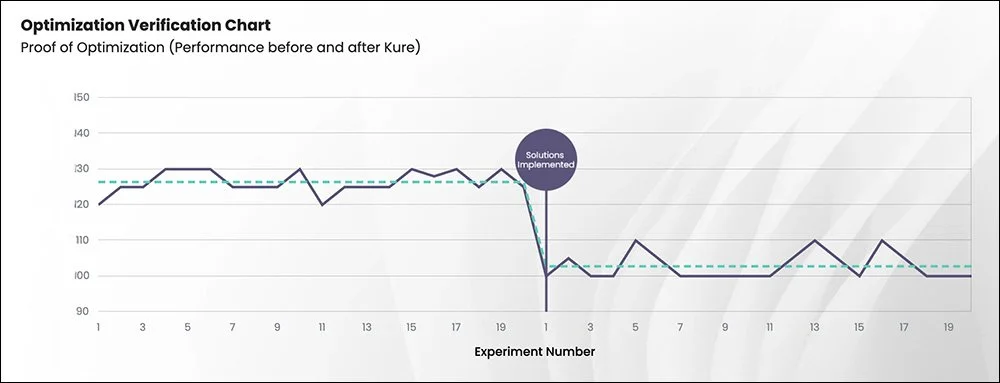
With Kure, the average experiment cycle time dropped from 130 minutes to approximately 100 minutes—a 23% reduction in cycle time.
The Problem
Higher education is evolving fast, and universities are under more pressure than ever to deliver high-quality learning experiences—especially in hands-on environments like labs. For the University of Karachi, improving lab efficiency became a top priority when students in the Chemical Reaction Engineering (CRE) lab were struggling to complete experiments on time.
To take on the challenge, University of Karachi student Zaiam Zafar used to Kure, a smart, AI-powered improvement platform designed to make process improvement easier and faster. With step-by-step guidance, built-in examples, and automatic documentation, Kure helped the team stay focused and move quickly without getting buried in paperwork. True to the principles of Ethical Efficiency™ the project was designed not just to streamline the process, but also to improve the learning experience for everyone involved—fairly and sustainably.
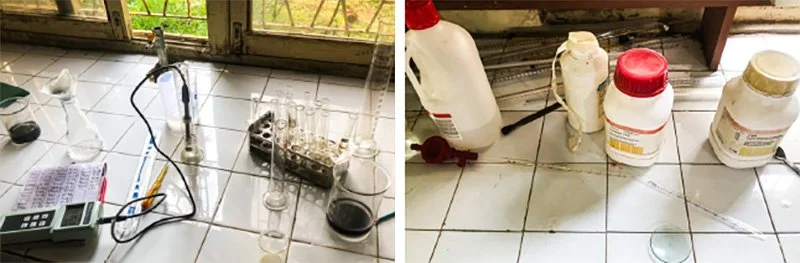
Before: No proper storage, no proper handling of apparatus, no time management, and insufficient student knowledge, which made every experiment in the Chemical Reaction Engineering Lab difficult.
In the CRE lab, students often faced long delays that made it tough to finish their experiments within the time allowed. Setup took too long, equipment was shared and hard to access, and the overall flow of the lab was slow and frustrating.
On average, each experiment took about 130 minutes to complete. This meant fewer learning opportunities, wasted time, and stress for both students and instructors. With labs running over or experiments left unfinished, it was clear the process needed a major upgrade.
For a university committed to student success, process improvement wasn’t just helpful, it was essential.
The Root Causes
With Kure’s guided project workflow, Zaiam got to the root of the problem fast:
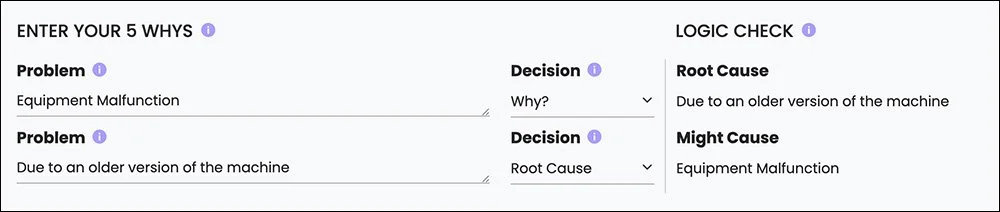
Outdated equipment was slower than newer alternatives.
Poor layout meant some machines were hard to reach efficiently.
Students came in with varying levels of knowledge, causing hesitation, mistakes, and repeated steps.
Inconsistent calibration led to delays and rework.
Occasional apparatus malfunctions and basic user errors added even more time to the process.
Kure’s AI-supported analysis helped the team see the full picture, giving them the confidence to take targeted action without wasting time on guesswork.
The Solutions
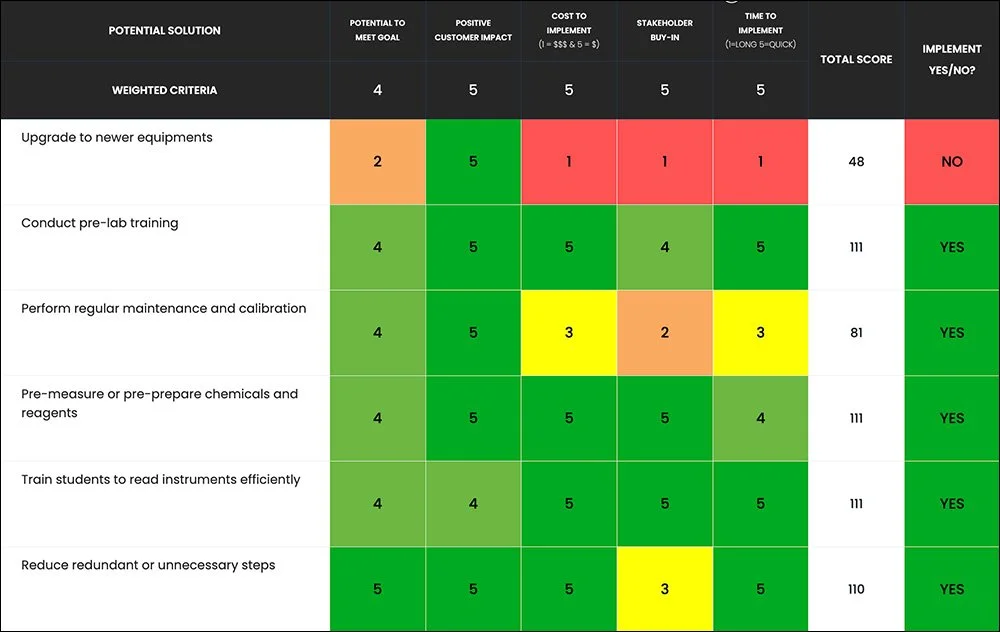
Instead of overhauling everything, the team focused on smart, practical changes—guided by Kure’s suggestions and supported by Ethical Efficiency principles:
Pre-lab training helped students show up prepared and ready to work.
A regular maintenance and calibration schedule kept equipment reliable and ready to use.
Chemicals and reagents were pre-measured, cutting down setup time.
Students were taught to read instruments more efficiently, improving accuracy and speed.
Unnecessary or redundant steps were removed to simplify the experiment process.
Throughout the project, Kure automatically documented every step, tracked results, and made it easy to share progress, eliminating the need for extra reporting or manual updates.
The Results
The improvements had a big impact. The average experiment cycle time dropped from 130 minutes to nearly 100 minutes—a 23% improvement.
With experiments finishing faster, students could complete their work on time, lab sessions ran more smoothly, and both students and instructors reported a better overall experience. Bottlenecks disappeared, confidence grew, and the entire lab felt more focused and productive.
And thanks to Kure’s built-in tools, the project was completed faster, with less effort and full visibility into the results.
Conclusion
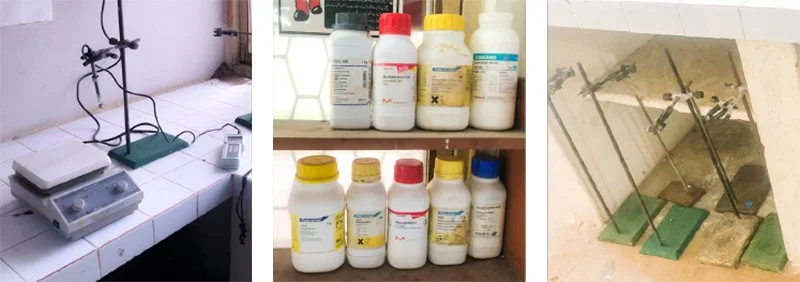
After: The lab is now organized with a designated place for every apparatus, saving time and improving student access.
By using Kure to guide and manage the improvement project, Zaiam achieved faster results without the usual stress or extra admin work. Kure’s intuitive structure, real-time support, and automatic documentation gave the team everything they needed to succeed.
The team improved lab performance while upholding the values of Ethical Efficiency™, making changes that supported both people and progress. Now, with a proven improvement platform in place, the university is ready to tackle future challenges with confidence, clarity, and speed.